
Understanding Sundowning in Dementia?
Sundowning is often associated with dementia and may be especially prevalent during winter months. It usually happens in the early evening or at dusk. With clocks going back this weekend, it’s worth considering if this is something you can help your loved one manage better.
What is Sundowning in Dementia?
Sundowning refers to a set of symptoms or behaviours related to dementia. It includes difficulty sleeping, agitation and signs of anxiety as well as, for some, hallucinations. Pacing and disorientation are also common.
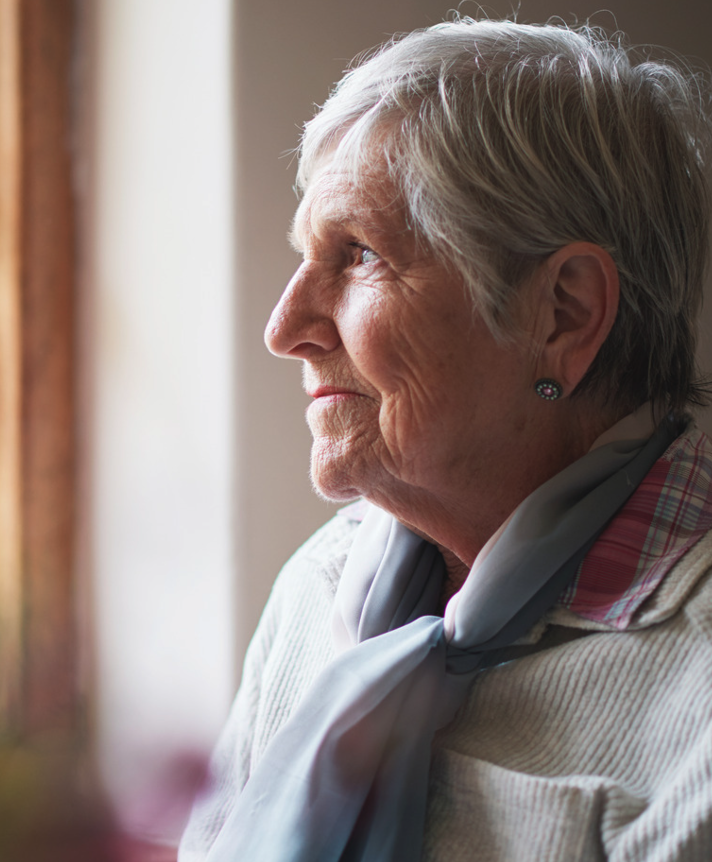
Causes of Sundowning
What causes sundowning in dementia exactly is unknown. But there are a few things that may contribute. These include:
- Being mentally and/or physically tired following a busy day.
- Having been in a new or particularly confusing environment. For example, perhaps they’ve attended a large family event or a new group.
- A mixed-up body clock (which is maybe why it can be triggered as the clocks change). Or if having travelled through time zones on a holiday for example. But it can also be an internal body clock mix up.

- Not needing as much sleep. Some people do find they need less sleep than they may have before. So, they are simply awake more often when others aren’t. When they wake they may panic or need reassurance.
- Dreaming whilst asleep can often cause a person living with dementia to feel disoriented. They may not be able to differentiate between what is real and what is a dream.
- Finally, and the one I will go in to in depth below is bad lighting. Lighting can play a big part in managing evening confusion and sundowning in dementia.
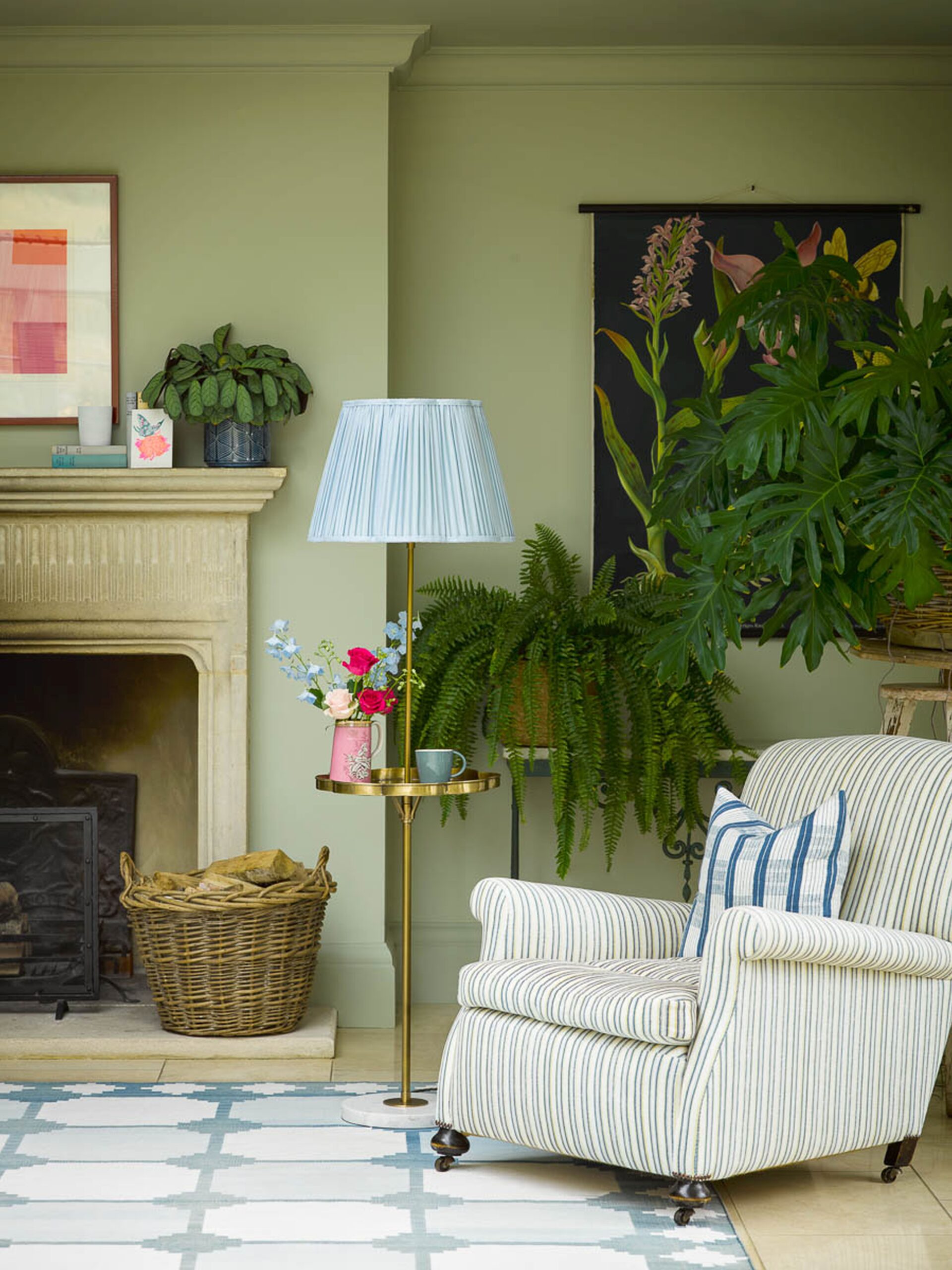
How lighting affects people with dementia
A badly lit room can be a real issue for people, not just those living with dementia. Anyone with eyesight problems or cognitive or sensory issues can find uneven and low lighting disorienting. It can cause shadows, which can be really frightening to someone living with dementia especially. It can even lead to them thinking they are seeing something else and becoming agitated by this or perhaps startling and uncomfortable to be around.
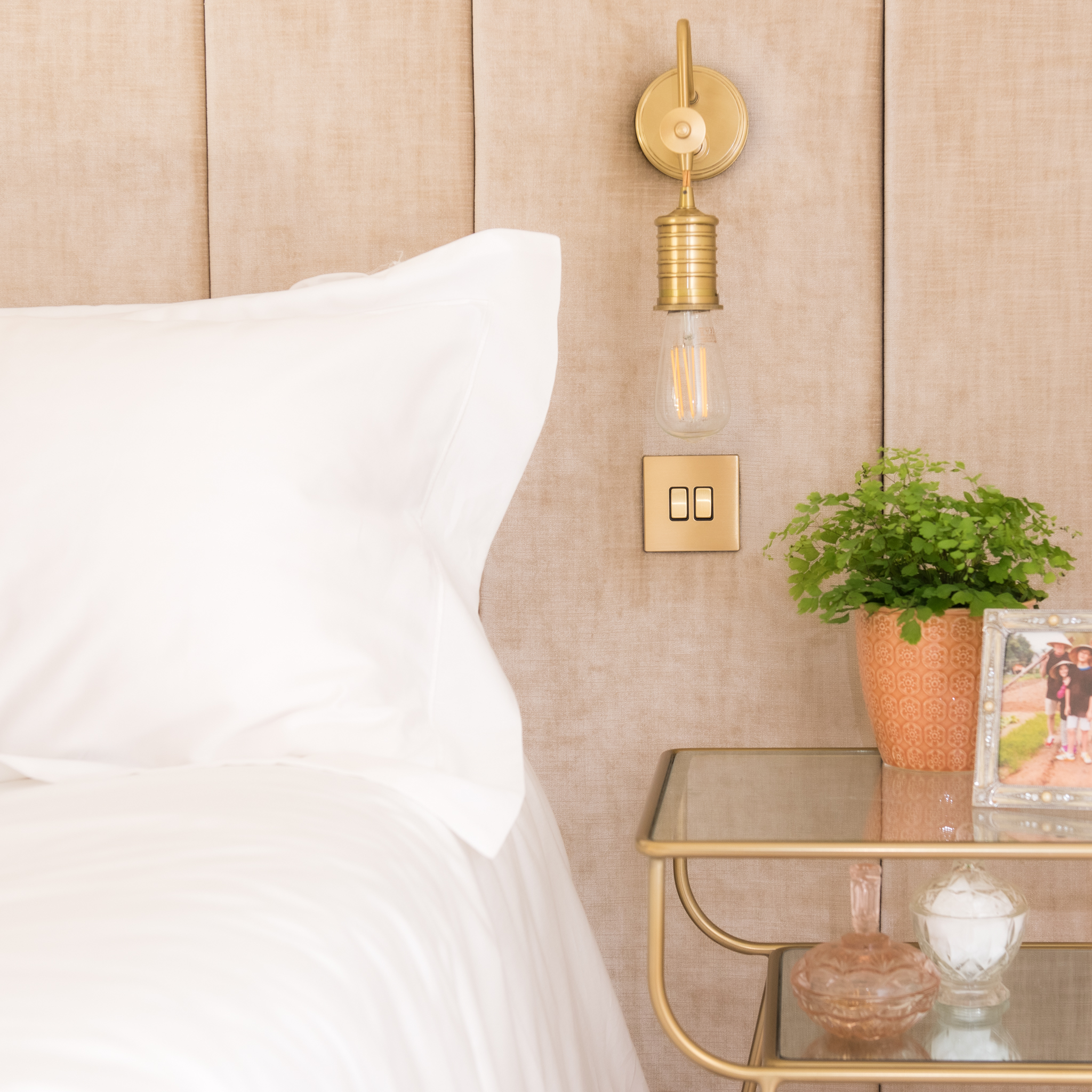
Lighting tips for a dementia-friendly home
Here are my top tips for making your home lighting more dementia (and sensory) friendly:
- Keeping the home evenly lit is key. You can do this by looking out for areas that, as the sun goes down, begin to change in atmosphere as well as lighting level.
- Maybe the hallway becomes dark at one end and therefore looks more ominous to someone with dementia. Adding a couple of wall lights, table lamps or even some plug in night lights would help.
- Perhaps the kitchen is too bright with its bank of spotlights in the ceiling. Adding some rechargeable lamps to the countertops could be great. Or, if you want something more permanent add some LED strips (dimmable is best) underneath cabinets or open shelving and inside glass cupboards.
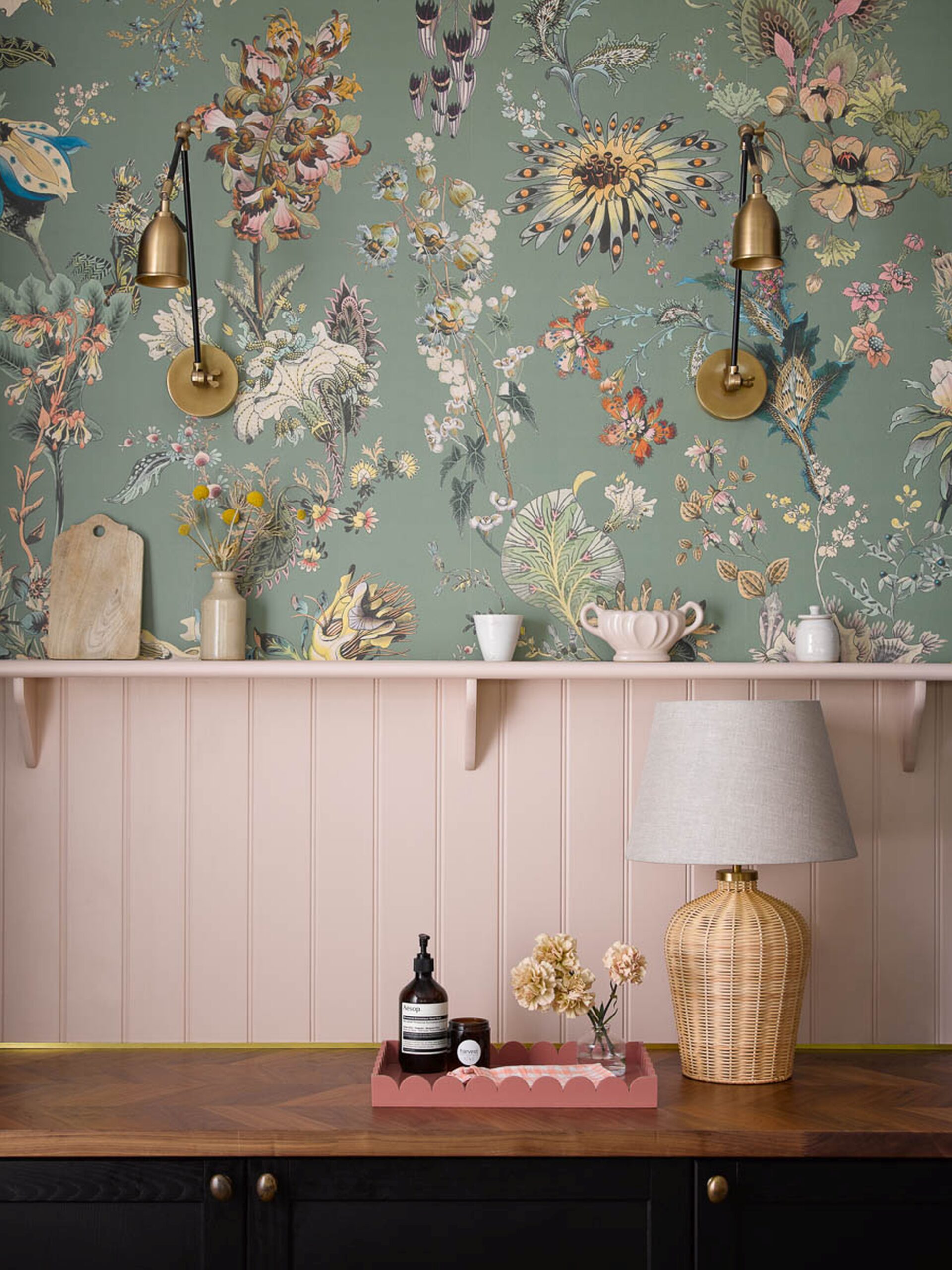
- In the bedroom nighttime safety is paramount. A nightlight is reassuring for most people living with cognitive change. If you are sharing the room maybe it could help you to invest in an eye mask.
- A central pendant that is dimmable is good as are bedside lamps that can be easily switched on and off.
- A simple 5-amp circuit can be added by your electrician to enable the lamps to be operated from one switch. Ideal if your partner or family member likes to go to sleep with the lamp on and you can turn it off for them.
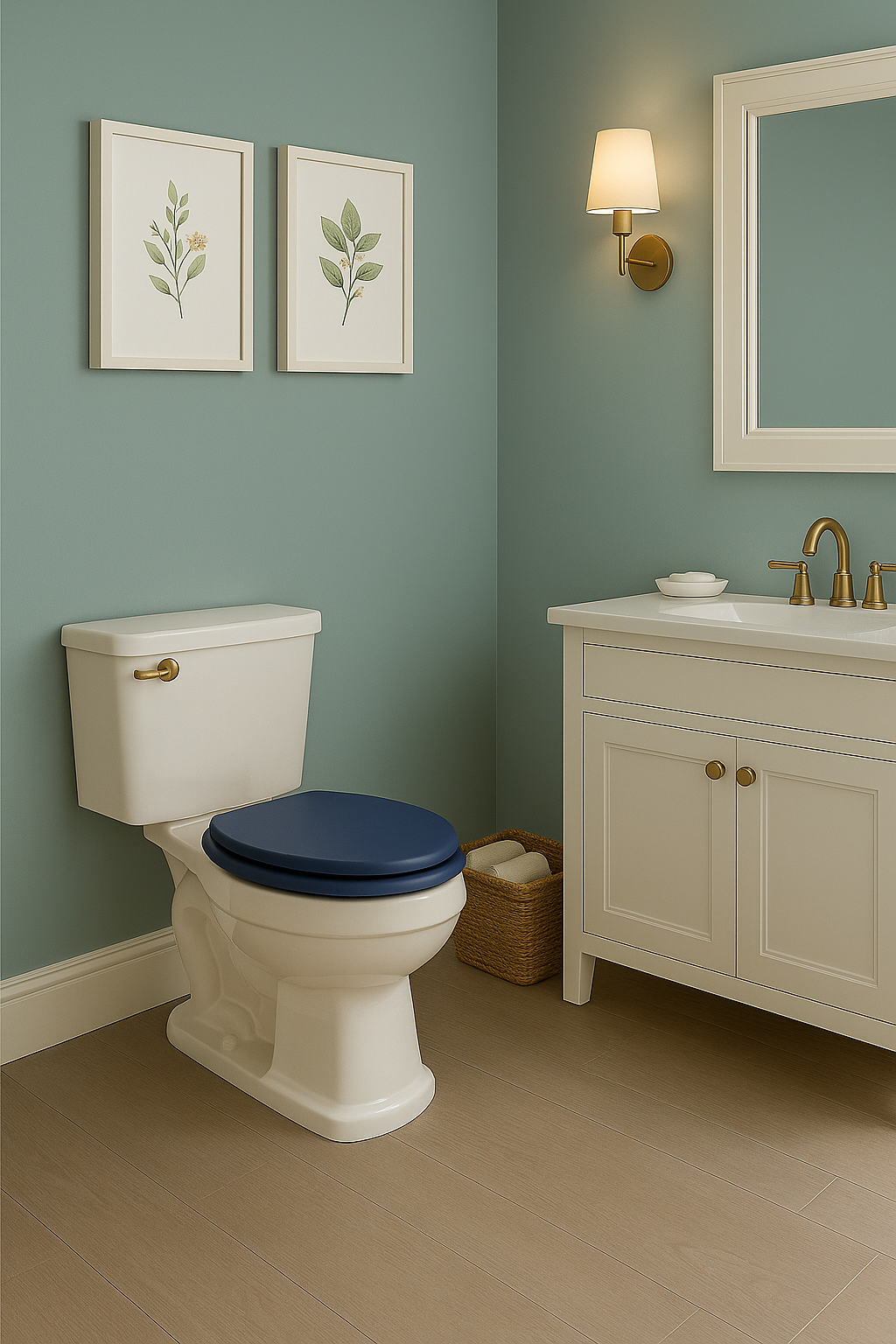
- Leaving a door open to the bathroom or ensuite is important so that someone living with dementia can navigate independently. But obviously if it’s very dark, this alone is no good.
- A soft light left on inside the room is ideal (nothing too stark though and ideally not above a mirror) or consider a plug in light just outside the door.
- Sensor lights can also work, but they must not startle, so a soft glow is the aim. Under vanity units or near to the loo is ideal.
Other ways to help with sundowning
As well as changing the lighting there are some other ways to help with sundowning and sleep issues in someone living with dementia:
- Try to encourage regular routines – not just for waking and sleeping, but for meal times too.
- Try to encourage those living with dementia to go outside in natural daylight. If this isn’t possible, at least open curtains as soon as they wake, so that they are aware when it is daytime.
- Reduce stimulation before bed. TV, loud music and gadgets are something we could all do with avoiding before we try to sleep. Cutting out alcohol and caffeine can also help.
- Maybe consider a lighter meal in the evening, offering a bigger meal at lunchtime instead.
Sundowning isn’t just in winter
It’s also worth knowing that sundowning isn’t just about the winter months. It can also be linked to the person with dementia feeling that there is something they should be doing. Perhaps at the same time every day.
This can go back to something they remember from earlier years – perhaps at 3pm when they remember they would have been heading out to pick up children from school. So, that feeling of having to be somewhere is triggered – imagine how agitated you would become if you were told you couldn’t go and pick your children up? Therefore, it’s worth keeping a note of when the behaviour is more noticeable. That way, you may be able to figure out the trigger and manage that time differently.

My personal experience with sundowning
Through my own experience, I know this can be a difficult challenge to manage but remember try not to argue or disagree with what your loved one is trying to do. Distraction is often the only way to manage sundowning.
With my mum I would agree with her that it was almost time to go somewhere and suggest a cup of tea first – something she’d always be up for. The hope being she would enjoy the tea and by the time it was finished, she would have forgotten her need to be somewhere else. Other times, when she had gone to bed already for example and woken confused, I would sit and just hold her hand. A night light at times like this was invaluable.
What isn’t ever going to help (and believe me, I know how difficult this can be), is getting cross or angry with someone experiencing sundowning. As a carer, it’s essential you ask for help if things are getting tough. I’ll share some links below of professional organisations. Friends and family could help too, if you are honest with them. For me, I ended up confiding in a cousin after a particularly difficult week or two when mum just couldn’t settle in the evenings and she would become very upset. She became really confused as to who my husband was and my eldest son.
My cousin reminded me to be open with my sisters about what was going on (they had no idea how agitated she’d become in the evening as most of their visits were during the day). As soon as I did, they both stepped in to help, and we managed a rota in the evenings to give me – and the rest of my family – a break. Asking for help is the best advice you can be given.
Places to go for help, advice and support with Dementia.
Alzheimer’s Society https://www.alzheimers.org.uk/about-us/contact-us
Admiral Nurses https://www.dementiauk.org/information-and-support/how-we-can-support-you/what-is-an-admiral-nurse/
Dementia UK have an excellent help line https://www.dementiauk.org/
Dementia Help https://dementiahelpuk.com/
Age Uk https://www.ageuk.org.uk/
NHS offer various options https://www.nhs.uk/conditions/dementia/living-with-dementia/looking-after-someone/
If you’d like more ideas of ways to make your home more dementia-friendly, don’t forget I have a free downloadable booklet that you can share with friends and family. As well as blog here. Or, if you’d like more specific help, take a look at my dementia at home package here https://joannejeyes.com/work-with-me/home-consultation-for-families-affected-by-dementia/. If you just need someone to listen, I’m happy to do that too.
Explore my accessible design services
Contact me to discuss your project
Read more about my design ethos
Want more stories like this?
Sign up to my newsletter or follow along with #TheHonestHome series on my Instagram page, where I share behind-the-scenes design insights and practical tips for creating spaces that support real life.
