

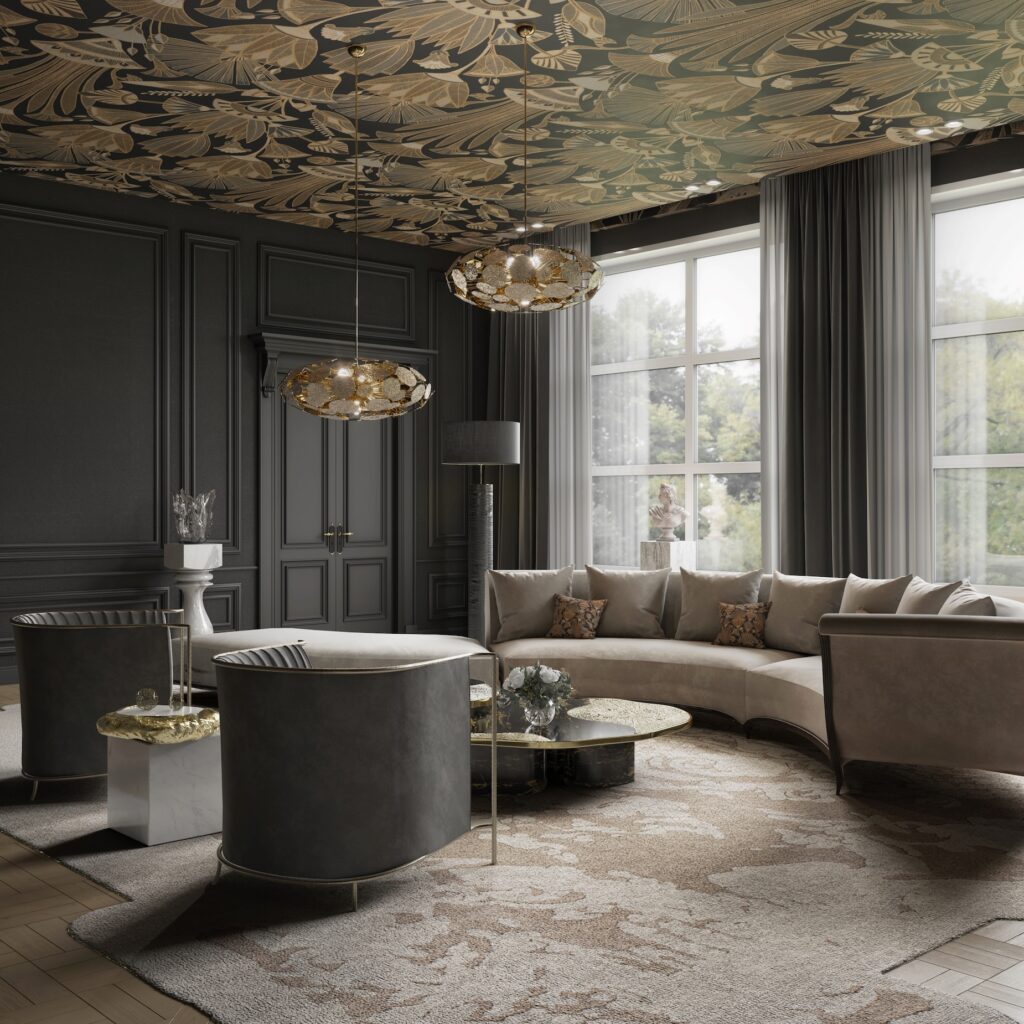
Is brown the new black and will you be papering your ceiling this year?
As those of you who follow me regularly know, I’m not one to put trends above good design. But as we step into a new year, it’s hard to ignore the buzz of exciting interior trends for 2025. So, I’m here to help you navigate these trends in a way that feels personal, practical, and – most importantly – you.
Whether you’re freshening up a corner of your home or diving into a full-scale makeover, these trends offer something for everyone – especially if you’re after accessible, sustainable, and inclusive design ideas.
And here’s the best part: it’s not just about looking good – it’s about feeling good too. Every trend I share is rooted in sustainability, eco-awareness, and accessibility. Homes should be beautiful and functional for every body and every brain, whether that means clever layouts, future-proof features, or thoughtful touches that make daily life easier.
Right, let’s dive in!
1. Texture is Everything
2025 is all about getting tactile. From boucle cushions to ribbed wool finishes and soft lime-washed walls, it’s time to think beyond colour and embrace how things feel. Texture can completely transform a space, making it feel warm and inviting.
Top tip: If you’re designing for someone with visual impairments or dementia, textured elements can do more than just look good – they can help differentiate spaces and create sensory comfort. Try mixing soft fabrics like velvet or chenille with natural materials like cork or reclaimed wood.
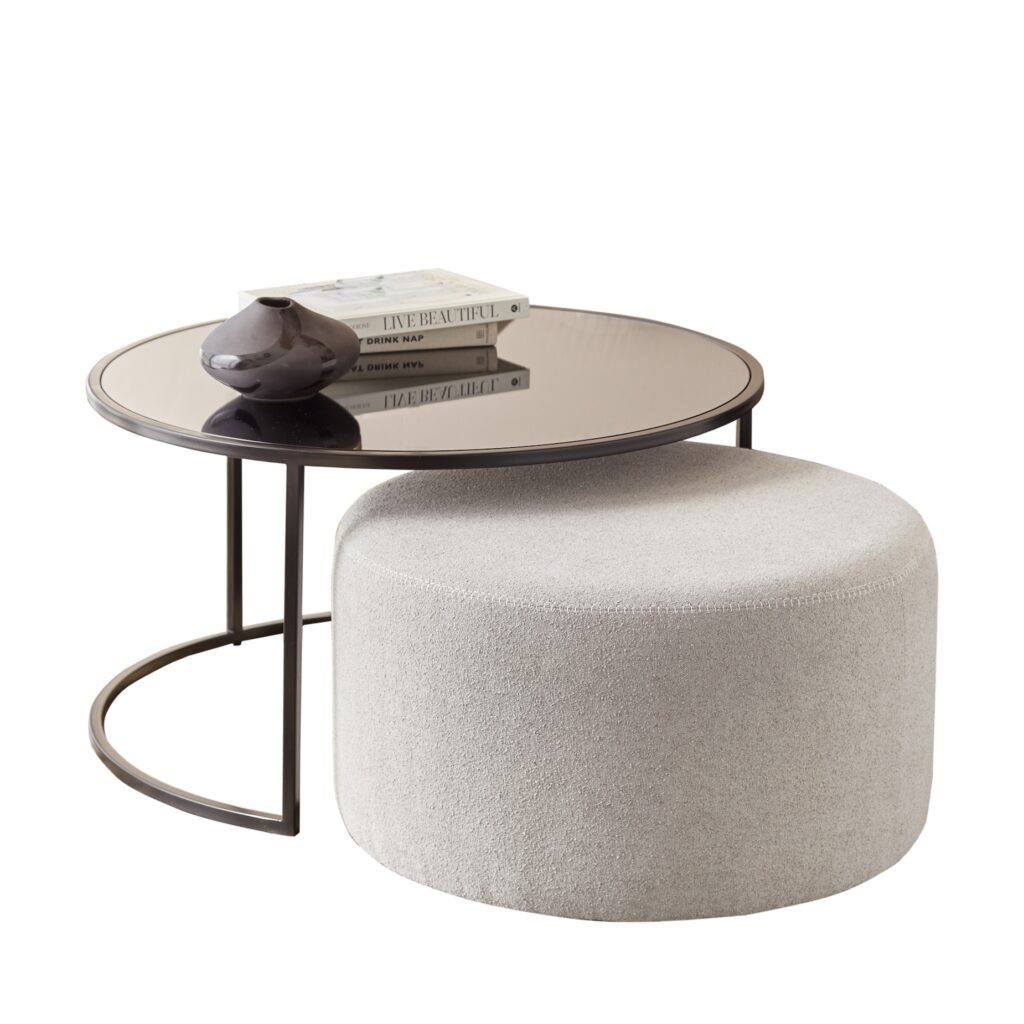
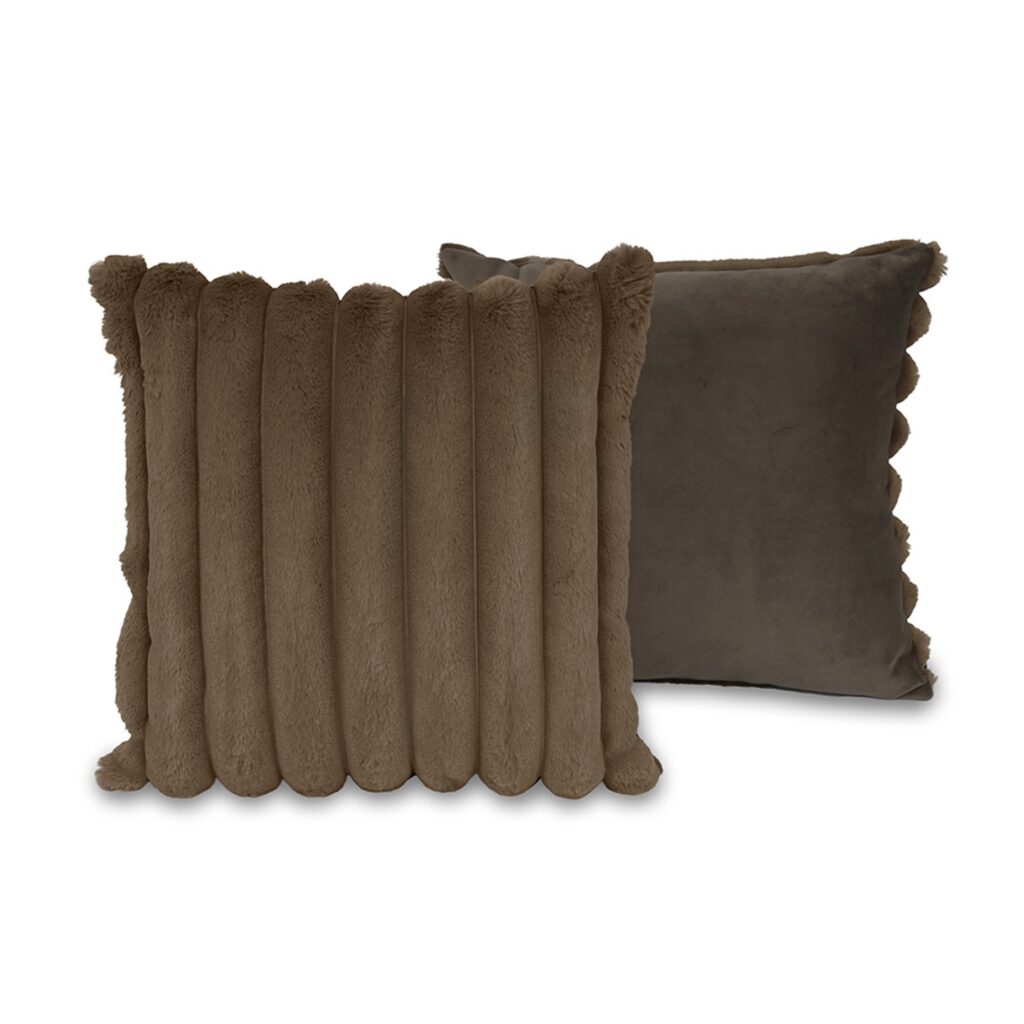
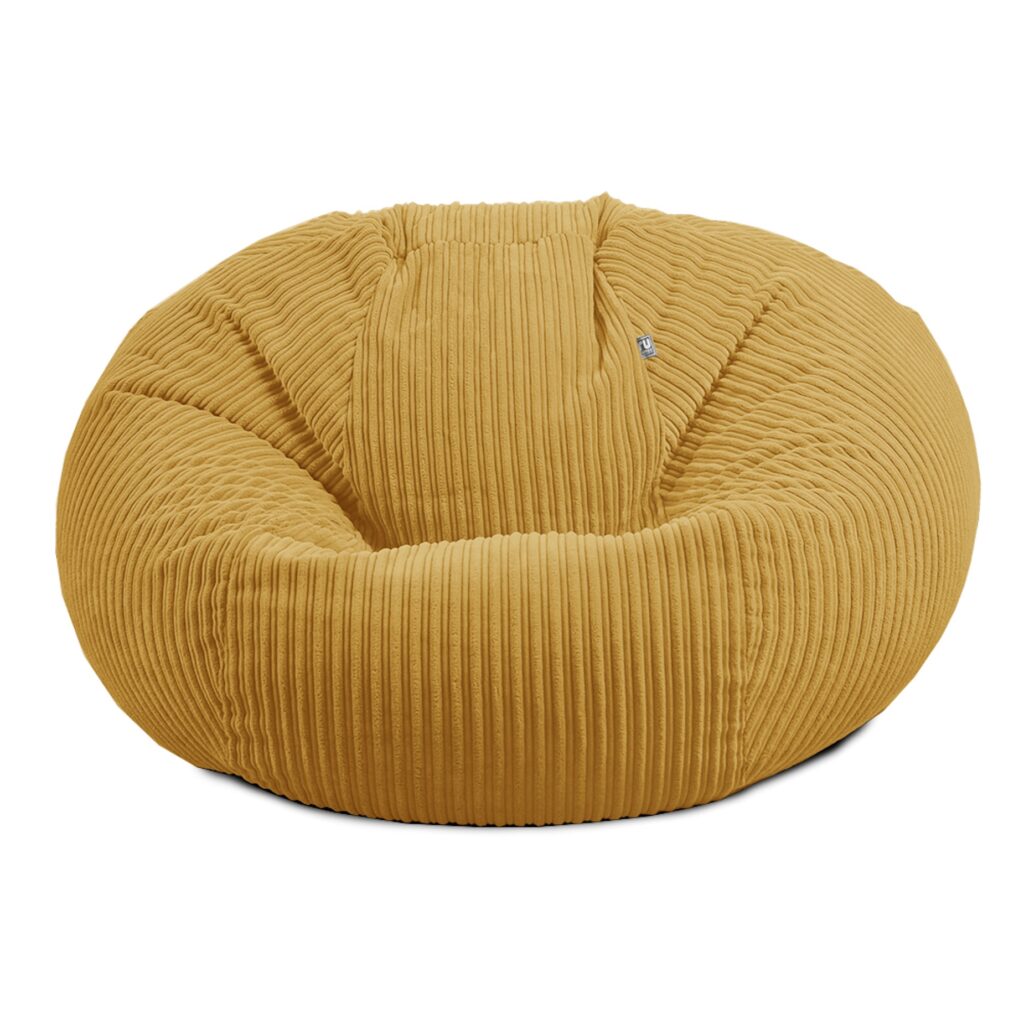
Soft furnishings are an ideal way to add texture.
2. Sustainable Choices, Timeless Style
Sustainability isn’t a trend; it’s a movement. This year, we’re seeing a shift towards pieces that tell a story – vintage finds, upcycled furniture, and materials like hemp, bamboo, and recycled glass. And you know I’m all in on this.
Channel your inner Jay Blades and give that old dresser a new lease of life. It’s great for the planet and your wallet – win-win!
How to make it work: Invest in classic, well-made pieces that stand the test of time. Sustainability doesn’t mean sacrifice – choose colours, shapes, and textures that bring you joy.
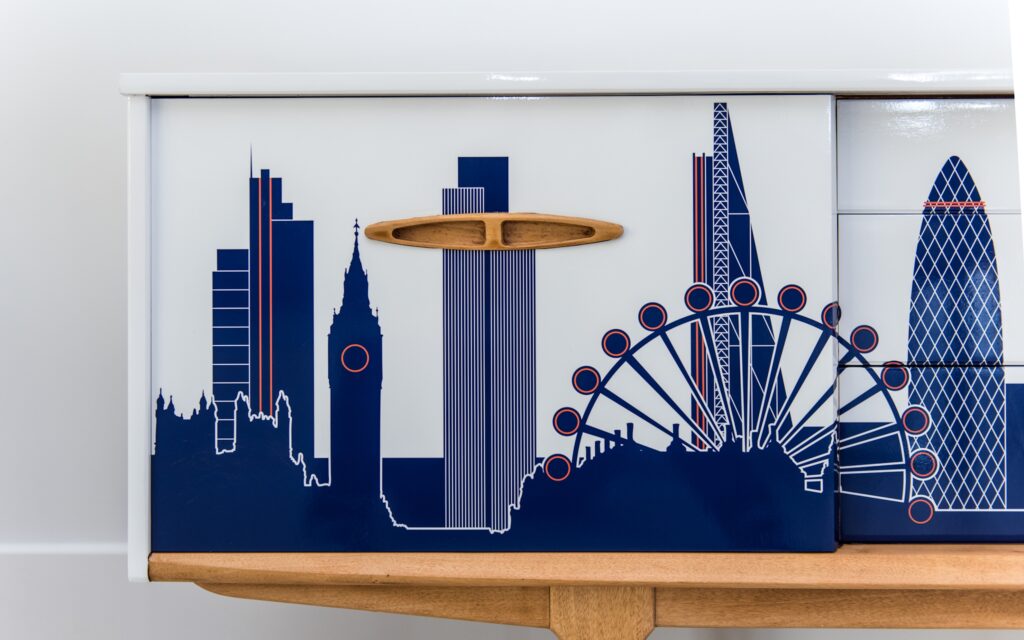
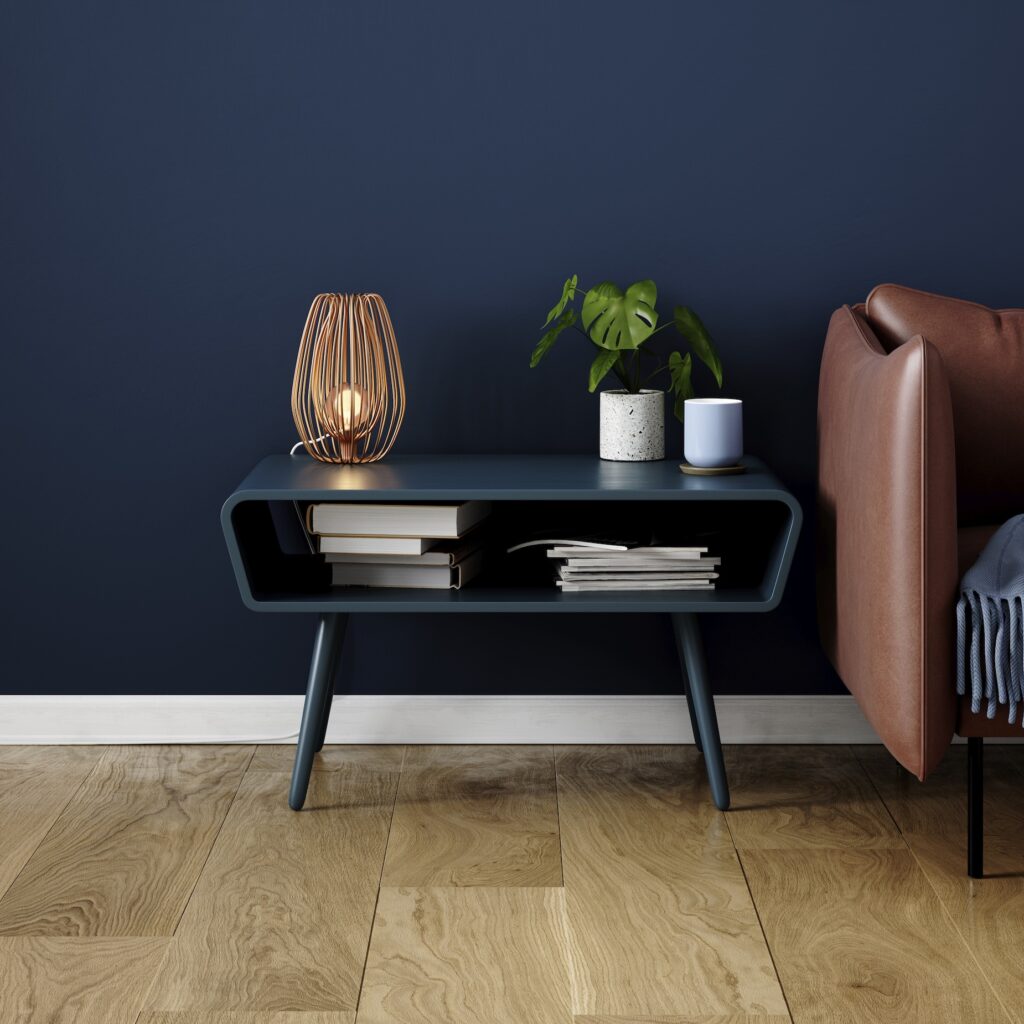
Paint existing furniture or buy pre-loved and have upcycled
3. Colour That Sparks Joy
Muted tones are stepping aside to make room for a richer, more joyful palette. Think earthy terracottas, jewel-toned blues, and vibrant greens.
Let’s talk about brown. I know, I know – it’s not everyone’s favourite. But it’s popping up on many trendsetters’ lists, and Pantone’s Colour of the Year, Mocha Mousse, is a great example. Pantone describes it as indulgent, and I have to say, I’m not against it.
Personally, I’d lean into rich mochas and chocolaty hues to wrap your rooms in warmth – like a cosy hug. Pair these tones with natural textures for a balanced, grounded look.
For neurodiverse spaces: Colour plays a huge role in mood and focus. Use bold colours for accents – like cushions or artwork – while keeping walls and large surfaces calming and neutral. (For more tips on using colour, check out my previous blog here.)
Designer’s Tip: Always try a colour before committing! Paint a few A4 pieces of card and stick them up around the room to see how the colour plays with the light.
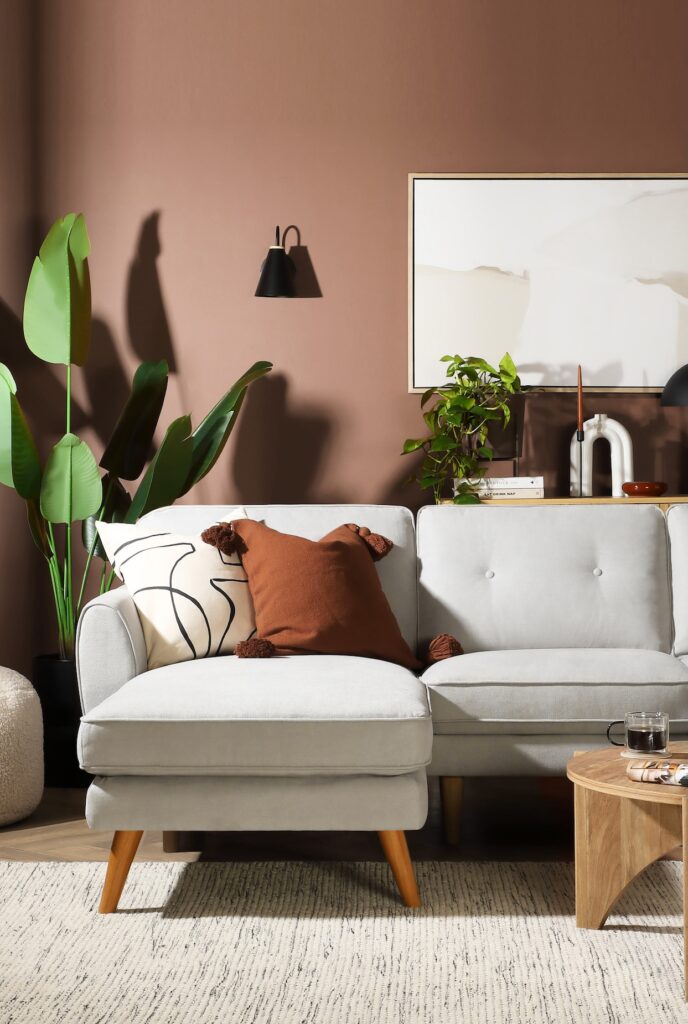
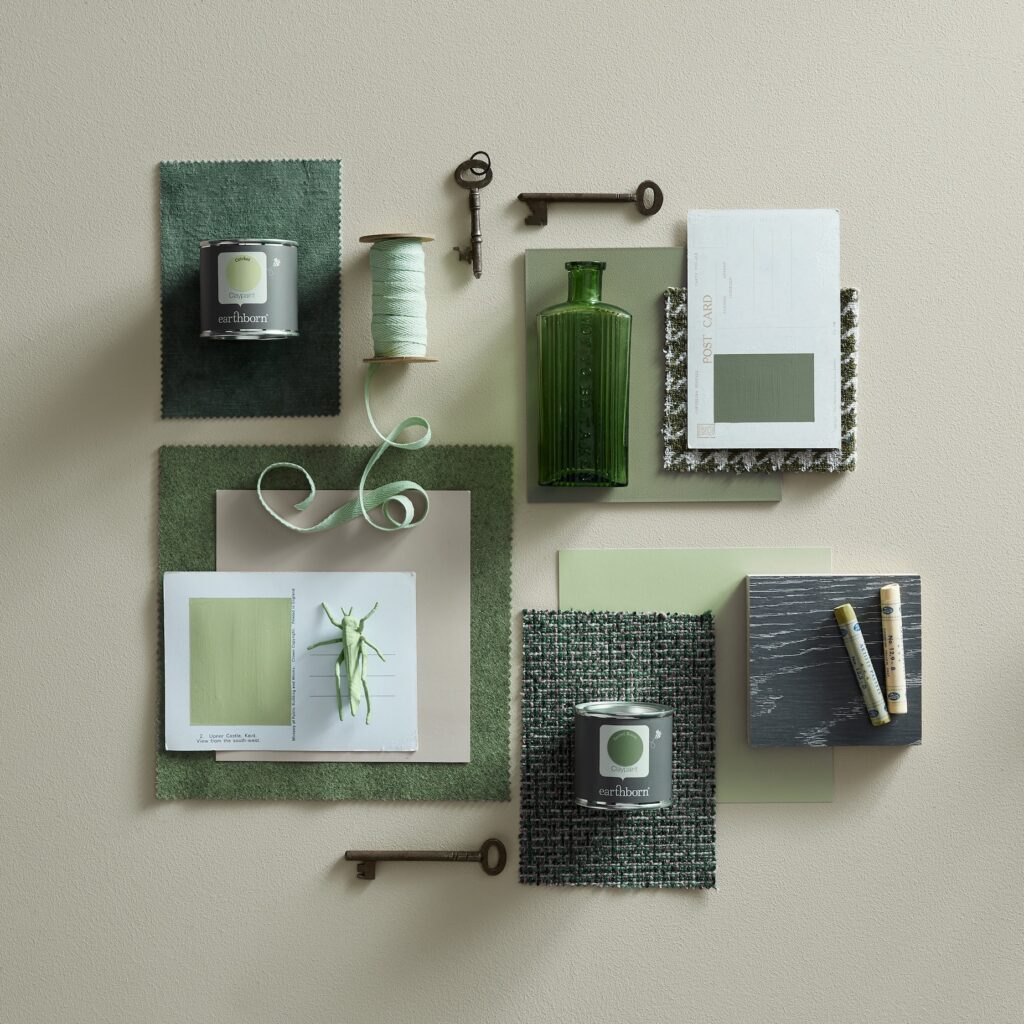
Warm browns, earthy greens – colours that feel as good as they look.
4. Multifunctional Spaces
Homes are working harder than ever, and multifunctional design is key. Clever layouts, foldaway furniture, and dual-purpose rooms (hello, home office/guest room combo) are trending in a big way.
Look for ways to screen off areas, create zones, and add storage solutions to keep things organised.
Accessibility matters: When planning multifunctional spaces, accessibility should be at the heart of your design to ensure that every member of the household can navigate and use the space comfortably and safely. It’s not just about cramming more functions into one room; it’s about doing so in a way that works for everyone.
Take this example: a combined home office and guest bedroom.
In a traditional setup, you might have a bulky desk, a standard bed, and storage that requires bending or reaching. But by planning with accessibility in mind, you can create a more thoughtful, practical space:
- Furniture with rounded edges: If someone uses a wheelchair or walker, sharp-edged furniture can be a hazard. Instead, opt for desks and tables with curved edges to reduce the risk of bumps and bruises.
- Well-lit pathways: Lighting is crucial for safety, particularly in multifunctional rooms where layouts might change. Use motion-activated lights or strip lighting along pathways to make navigating at night easier. Avoid dark corners by placing task lighting near desks and adjustable lamps by the bed.
- Adjustable solutions: Look for height-adjustable desks that work for seated or standing positions. A sofa bed or Murphy bed (fold-down bed) can easily transform the room from office to guest space without creating obstacles.
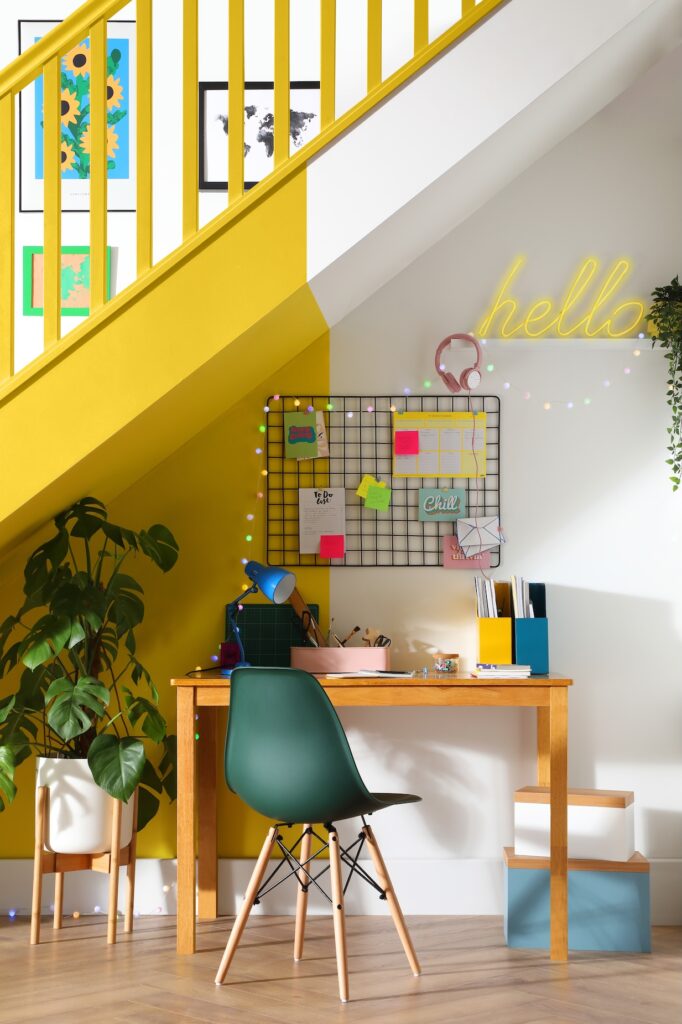
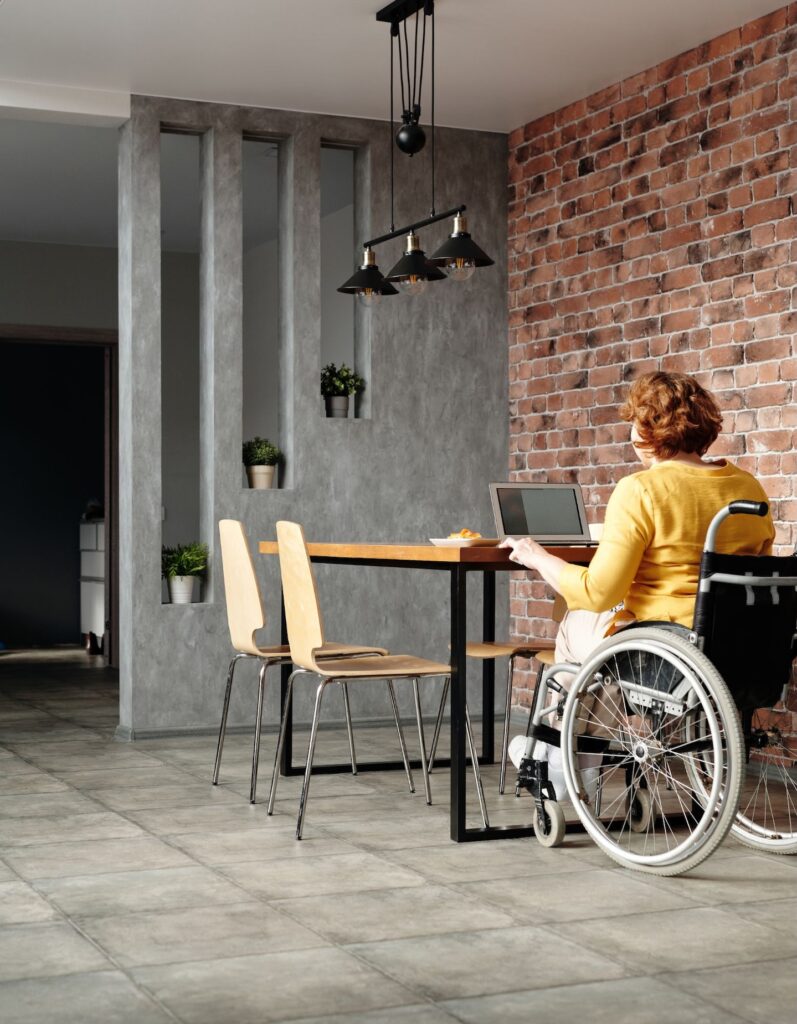
Homes need to work hard as we continue to work from home
5. Biophilic Bliss
Our love affair with nature continues, and biophilic design is thriving. It’s all about bringing the outdoors in – think plants, natural light, and organic shapes.
Get started: Even if you don’t have green fingers, hardy plants like snake plants or pothos are perfect. Not only do they help bring the outdoors in, but they also purify the air and create a more serene environment – ideal if you’re prone to sensory overload.
Combine greenery with natural materials like rattan, stone, and wood for an effortlessly calming vibe. If you want to learn more about biophilic design I’ve written on this subject quite a bit. Take a look at my blog here .

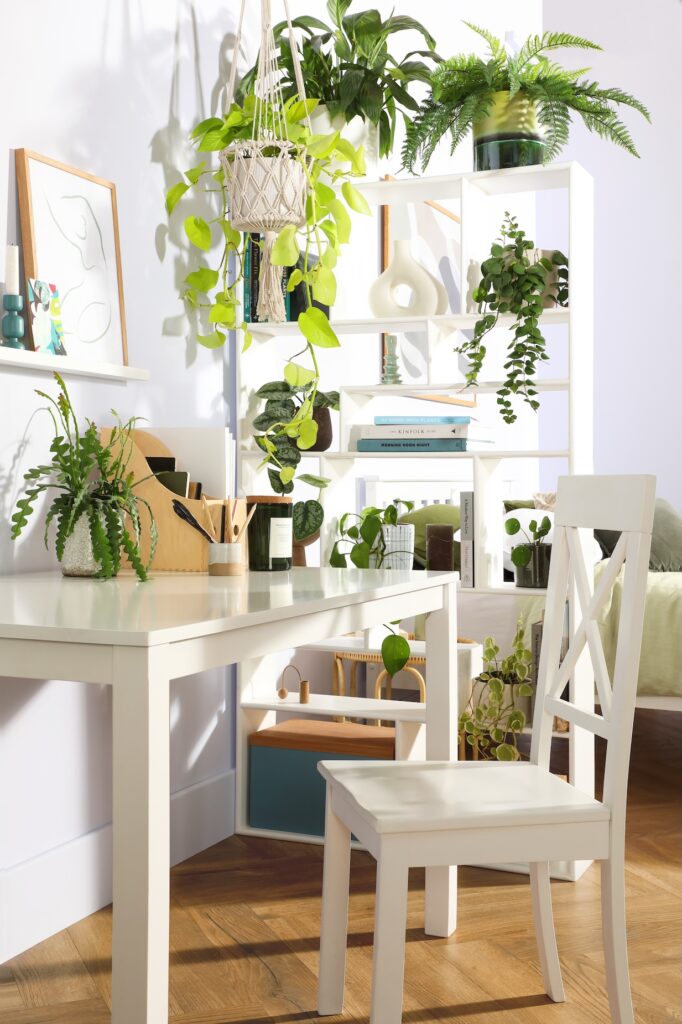
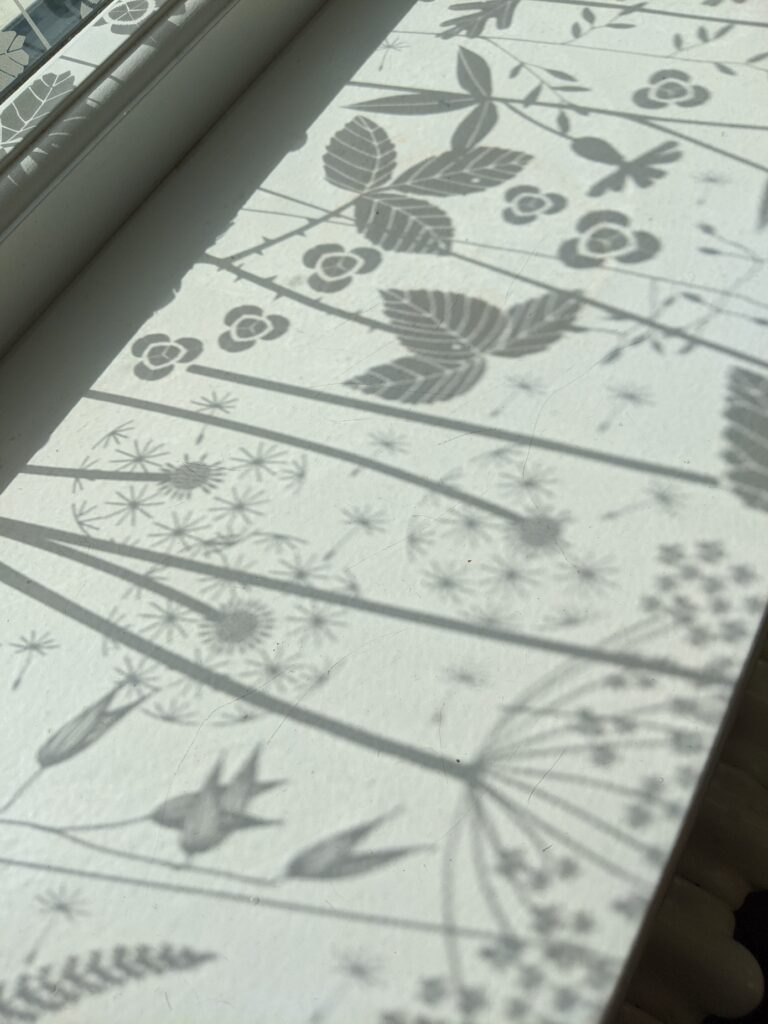
Biophiic design – bringing nature in to your home for better living.
6. Personalisation Over Perfection
Gone are the days of cookie-cutter homes. In 2025, it’s all about creating spaces that feel uniquely yours. Think family photos, heirloom furniture, or art that makes you smile.
My whole design ethos is about telling your story through your home. So, dig out those old photos and display them in creative ways – under glass on a coffee table, as a hallway collage, or simply framed beautifully.
My advice: Make your home work for your life right now. For dementia-friendly design, personal touches can spark recognition and create a comforting sense of familiarity.
Example:
- Create a photo wall in the living room or hallway. Choose key family moments—weddings, holidays, or childhood snapshots—that might jog happy memories.
- Label the photos with names or short descriptions. A simple frame that says “Mum and Dad on their wedding day” can offer clarity and trigger a warm memory.
- For a playful touch, create a coffee table photo collage under a glass top, so loved ones are always nearby.
If you’d like a FREE download of ways to make your home more dementia friendly get in touch with me and put DEMENTIA FRIENDLY HOME in the subject matter.
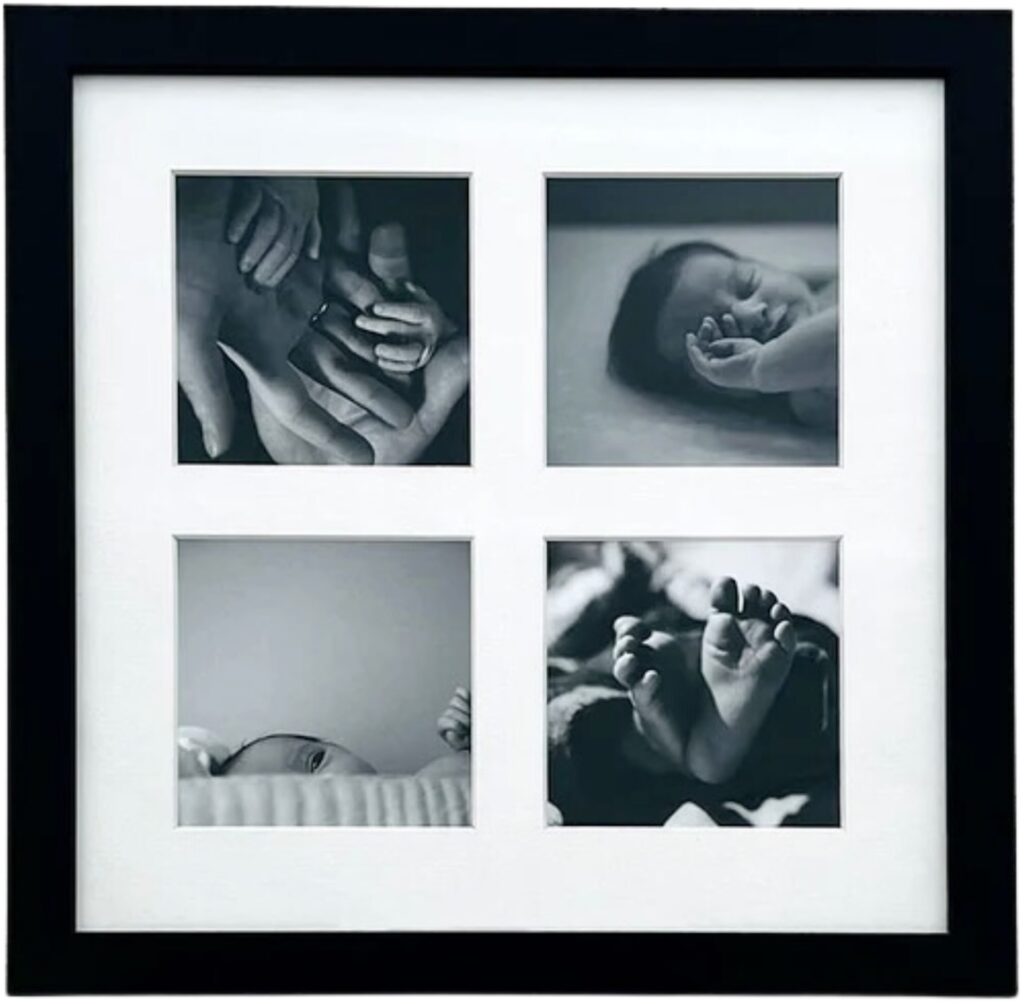
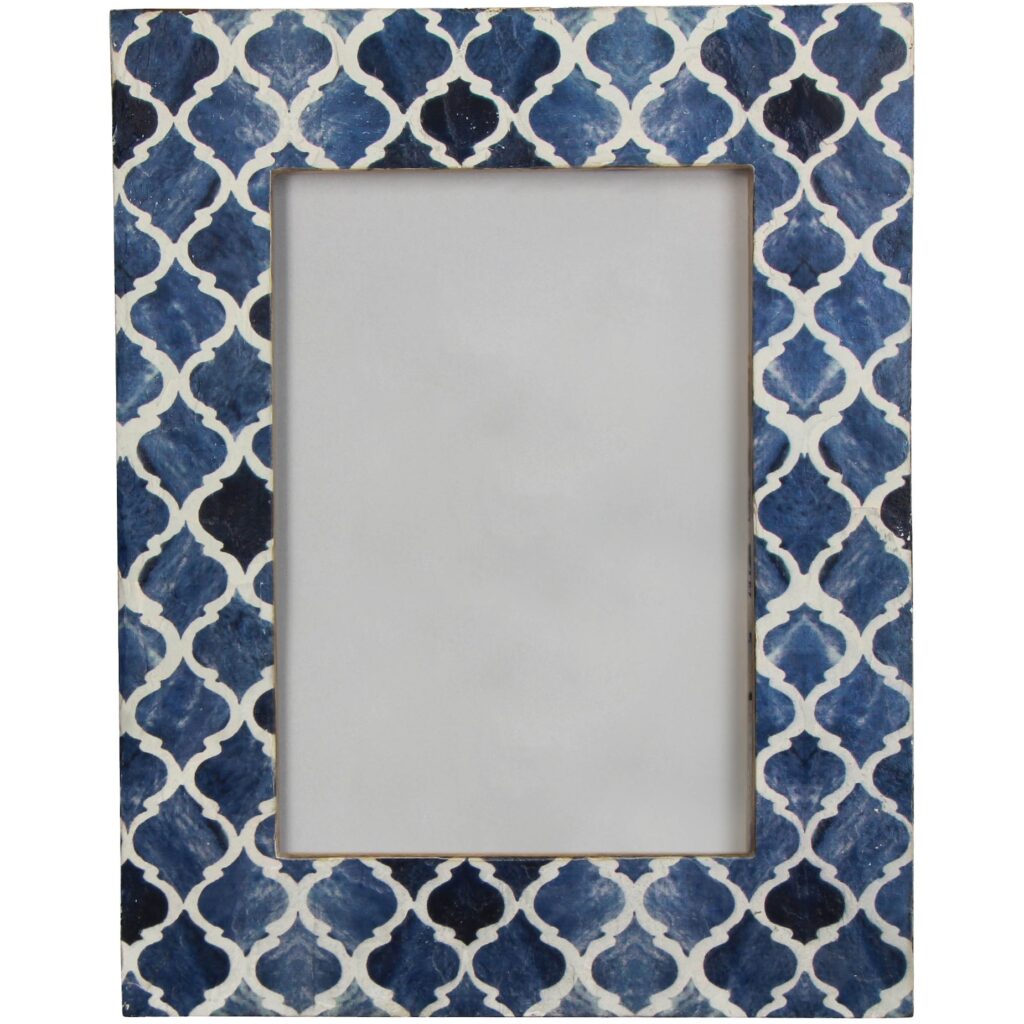
Personalise your home
7. Technology That Works For You
Eco-conscious living is driving smart home technology to become more sustainable and user-friendly. Expect to see more energy-efficient appliances and smart lighting systems that adapt to your needs.
Think of them as your eco-friendly sidekicks! Products like smart thermostats and water-saving fixtures are practical and planet-friendly.
Accessible tech: For those with additional needs, smart technology can be life-changing. Here are a few innovations I’ll be keeping an eye on this year:
- AI-integrated security cameras that recognise familiar faces
- Health monitoring systems
- Proactive problem detection (like water leak sensors)
- Air quality monitoring devices
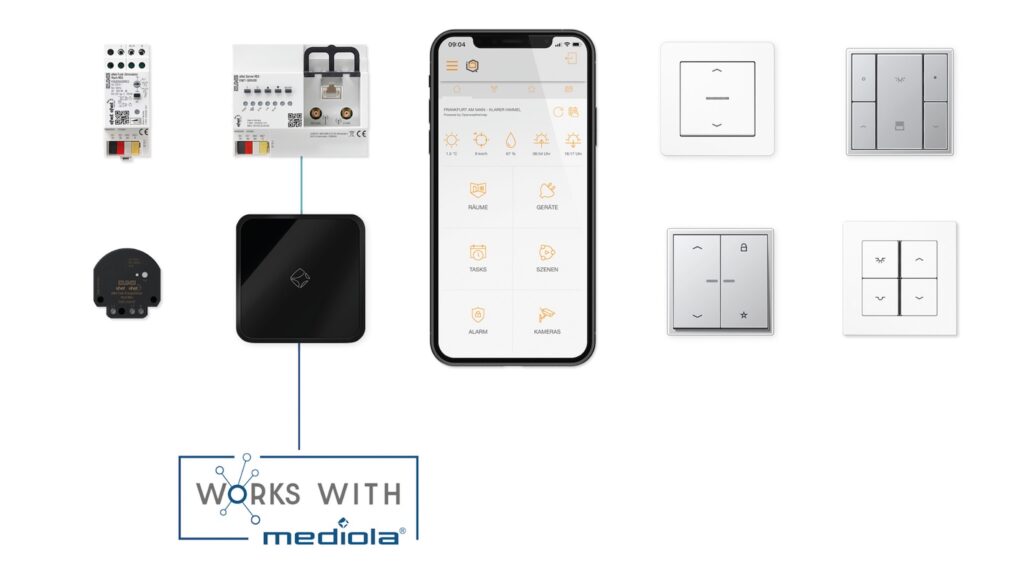
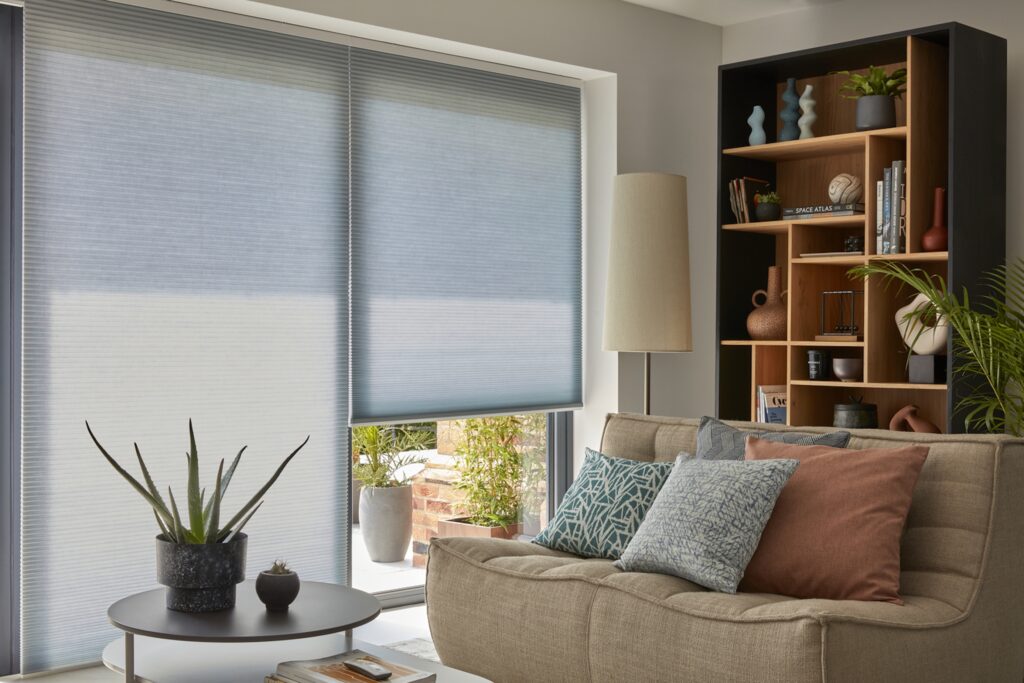
From whole house to remote control blinds, smart tech can work in any home
And finally…
My Interior Designer’s Tip for 2025: Don’t Ignore Your Ceiling!
If I walk into one more hairdresser’s salon, sit in another dentist’s chair, or have one more appointment staring at a plain white ceiling, I will scream!
Your ceiling is another wall – don’t ignore it. Whether it’s a bold colour, a feature wallpaper, or even soft panelling, make it part of your design.
Of course, if you need help integrating any of these trends in to your home or want to find out how to make simple changes to make your home more accessible- take a look at my services. I have something to suit every budget.
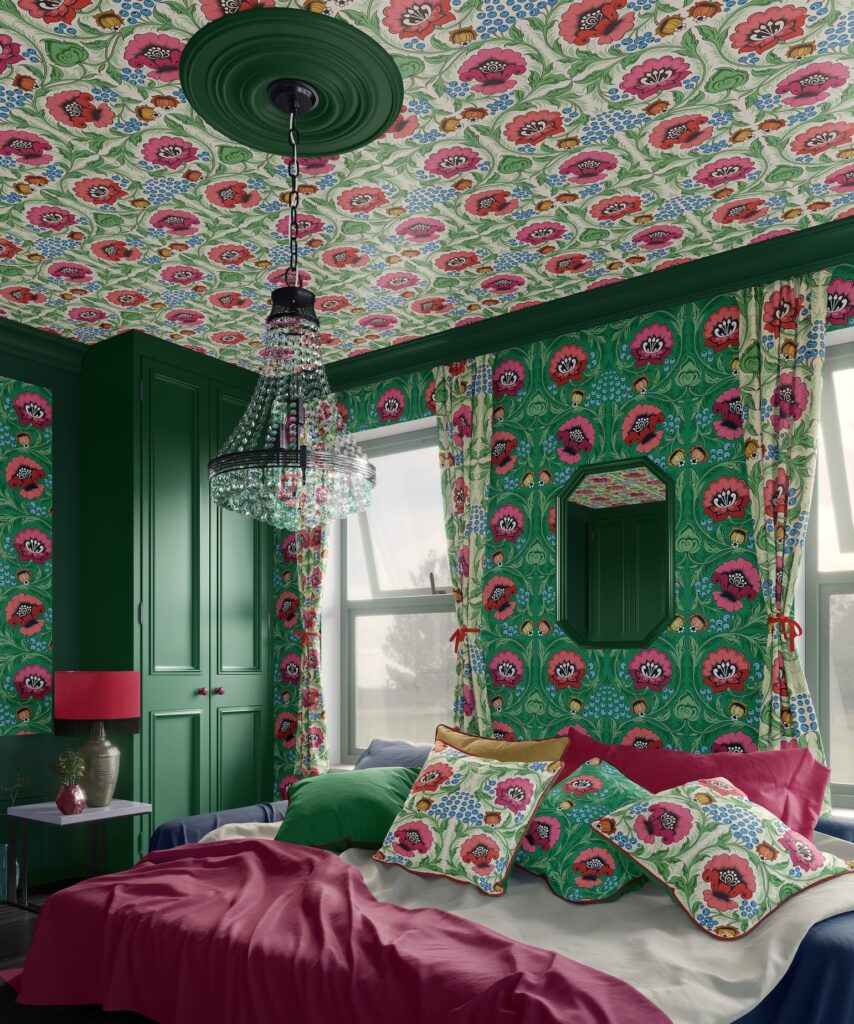
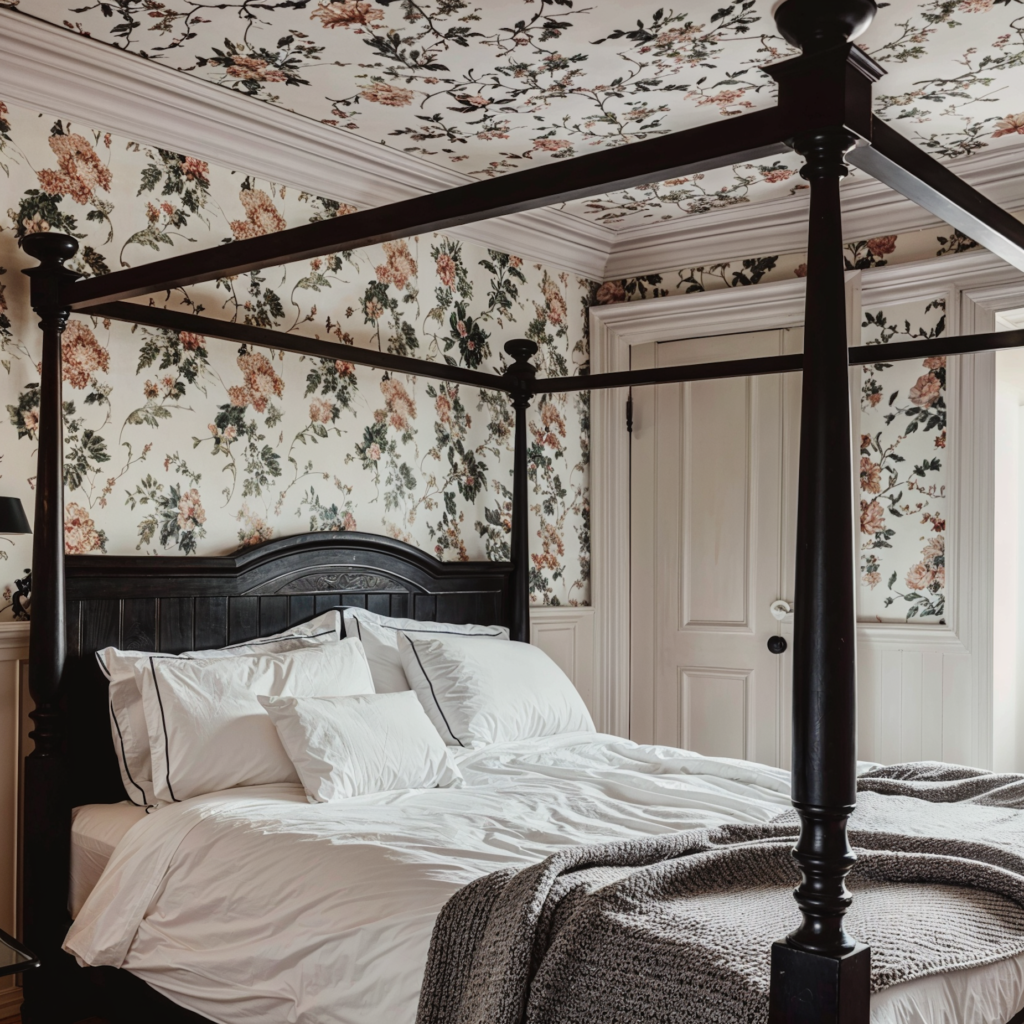
Now I’m not saying you have to go all out like these images – but please think about how you decorate your ceiling in 2025!
Let’s Make 2025 Your Year for a Home That Works for You
Trends are just the starting point—it’s how you adapt them to your lifestyle and needs that really matters. Whether you’re planning an update for better accessibility, looking to future-proof your home, or simply want to inject some personality into your space, I’m here to help.
So, are you ready to step into 2025 with a home that feels as good as it looks? Let’s chat before my slots fill up. Together, we’ll create a space that tells your story beautifully.
Book an informal chat with me when you’re ready.
#InteriorTrends2025 #AccessibleDesign #SustainableInteriors #InclusiveLiving #YourHomeYourStory
If anything in the images has caught your eye, you can find more details here. Some of these links may be affiliate links, which means I could receive a very small commission if you decide to make a purchase. This doesn’t affect the price you pay, but it does help me keep sharing design inspiration – thank you for your support!
